

Ask who physically handles the animal, how many handovers occur, how the carrier is secured, how temperature and stops are managed, what happens after a delay, which documents are checked and who is responsible at every stage. Get the answers in writing before payment.
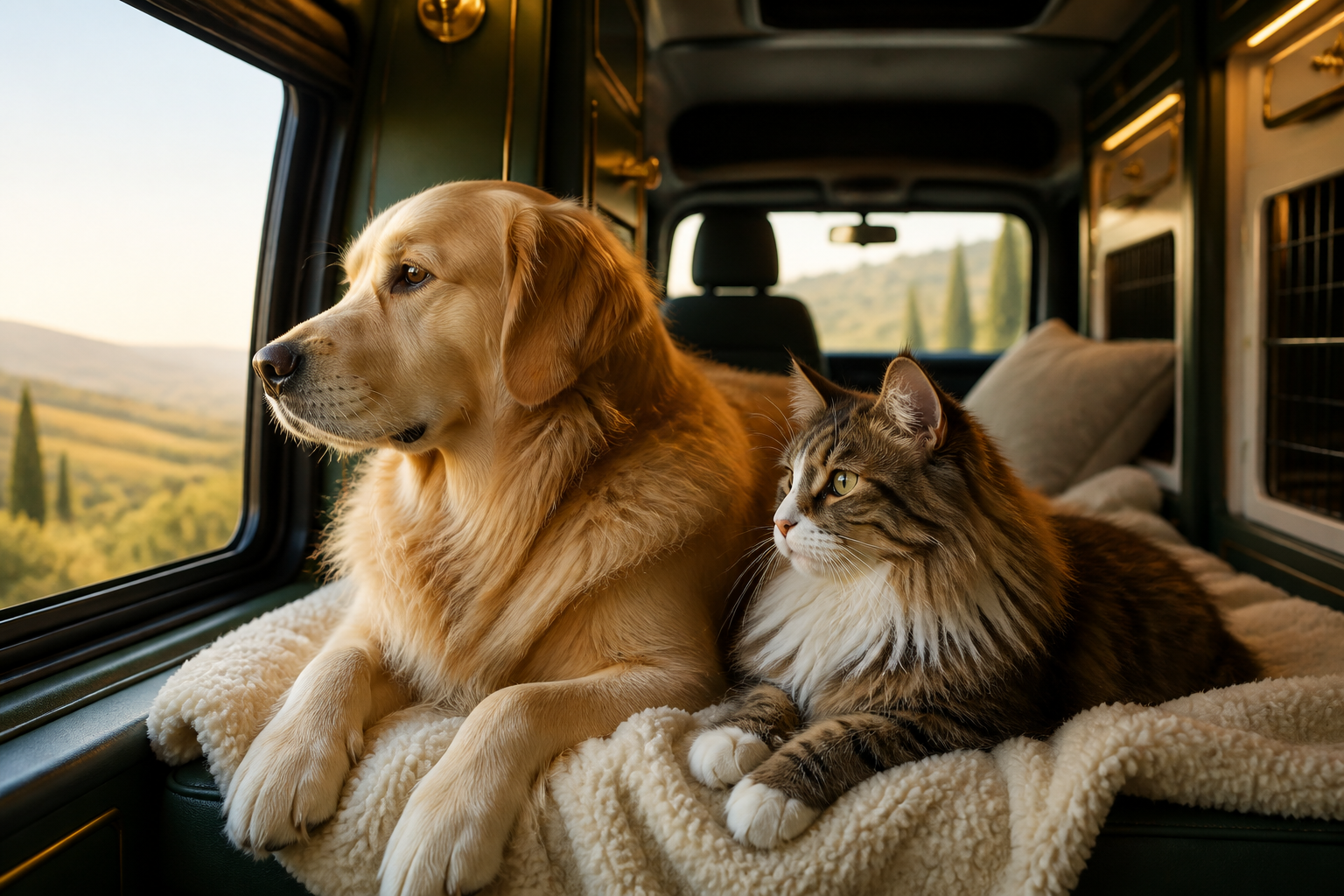
Route and custody
A clear itinerary should identify the responsible person or organisation at every transfer. Ask whether the journey is direct, consolidated or subcontracted and whether the animal stays in the same vehicle or carrier.
- Who has custody at each stage?
- How many handovers occur?
- Is the route direct or shared?
- What is the delay plan?
Welfare controls
Request concrete operating details rather than general promises. Ask how temperature is measured, how carriers are secured, how escape is prevented at stops and how illness is escalated.
- Where is temperature measured?
- How are water and sanitation handled?
- What is the emergency-vet process?
- How are incidents recorded?

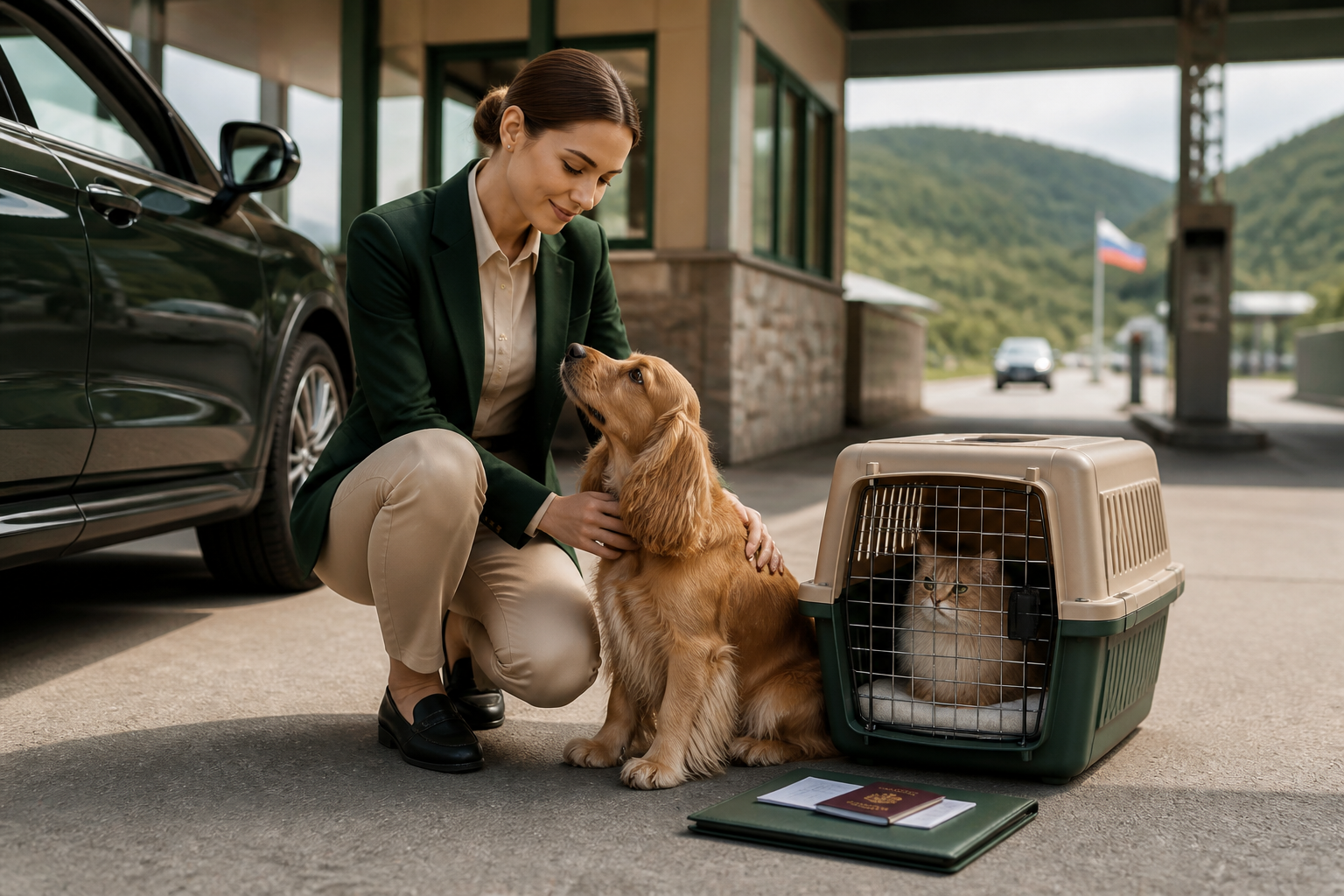
Documents, updates and payment
Clarify whether the provider only transports or also reviews document readiness. Confirm the communication schedule, cancellation terms, liability boundaries, receipts and the process for route changes.
- Which documents are checked and by whom?
- What updates will I receive?
- What is included in the written quote?
- What happens if entry is refused?
Questions people ask next
Should a provider guarantee an exact border time?+
No responsible plan can guarantee border or traffic conditions. Ask for contingencies, communication and decision ownership instead.
Is the cheapest quote a useful comparison?+
Only after scope is normalised. Compare handovers, route type, care, insurance or liability, document responsibility and exclusions.
Check the live rule
Sources were reviewed on 2026-08-08. Operator and national requirements may change after publication.
 FIELD FILE / 02How to prepare a dog for a 20-hour road journey