
A travel carrier should let the animal stand naturally, turn around and lie down while remaining secure and well ventilated. Fit alone is not enough: verify door hardware, floor grip, airflow, fastenings and the exact operator-specific rules before travel.
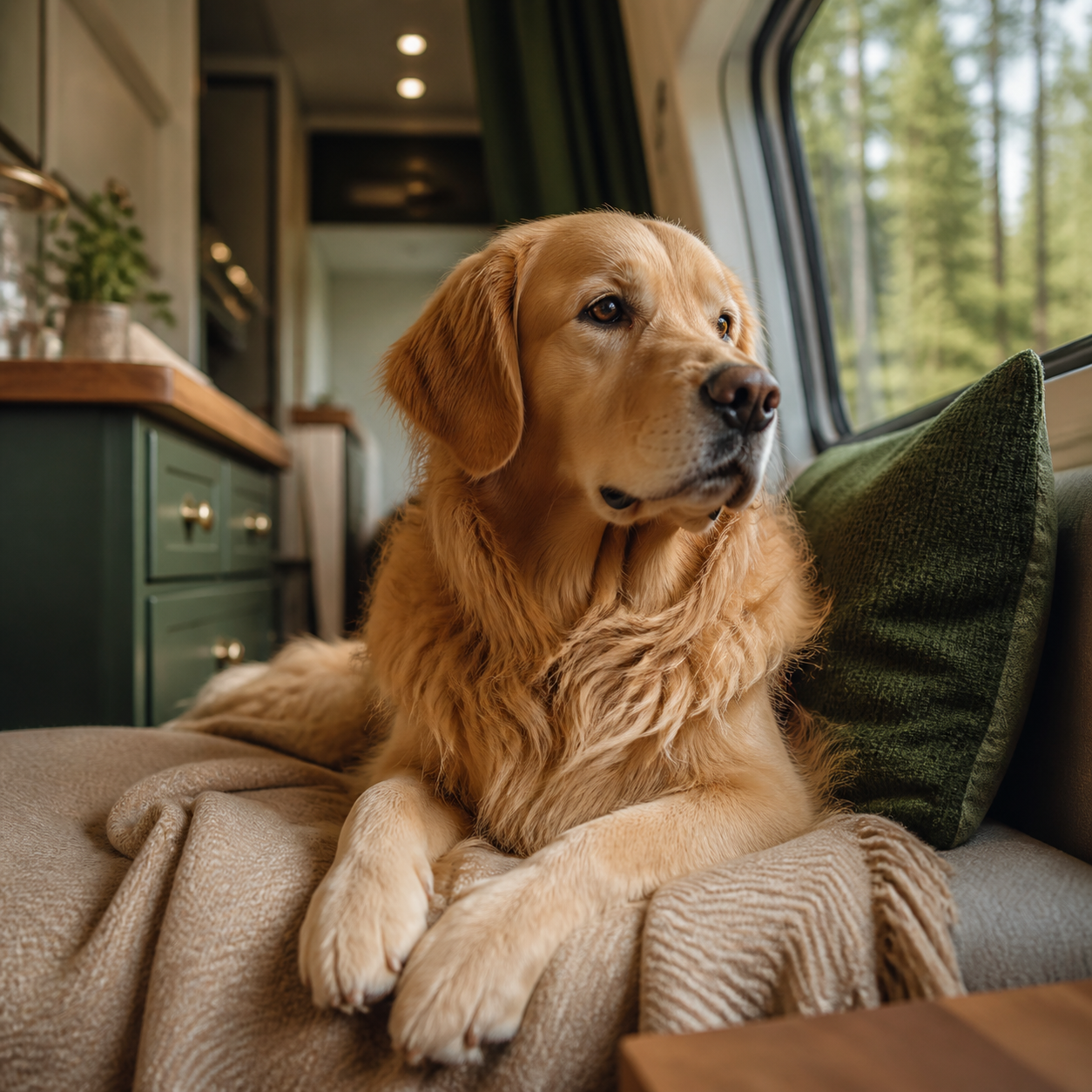
Measure the animal in a natural stance
Use the operator’s measurement method rather than buying by breed label. IATA publishes a sizing approach for air containers, and airlines may add their own limits. Snub-nosed animals may need extra space under current operator rules.
- body length
- leg height
- shoulder width
- natural standing height
Inspect the structure
Check for sharp edges, weak clips, blocked ventilation and a slippery base. Air travel may require specific construction, fasteners, food and water access, labels and door design. Road travel still requires the carrier to be restrained against sudden braking.
- rigid, intact shell
- metal or approved door
- ventilation on required sides
- absorbent non-slip bedding
- secure tie-down points

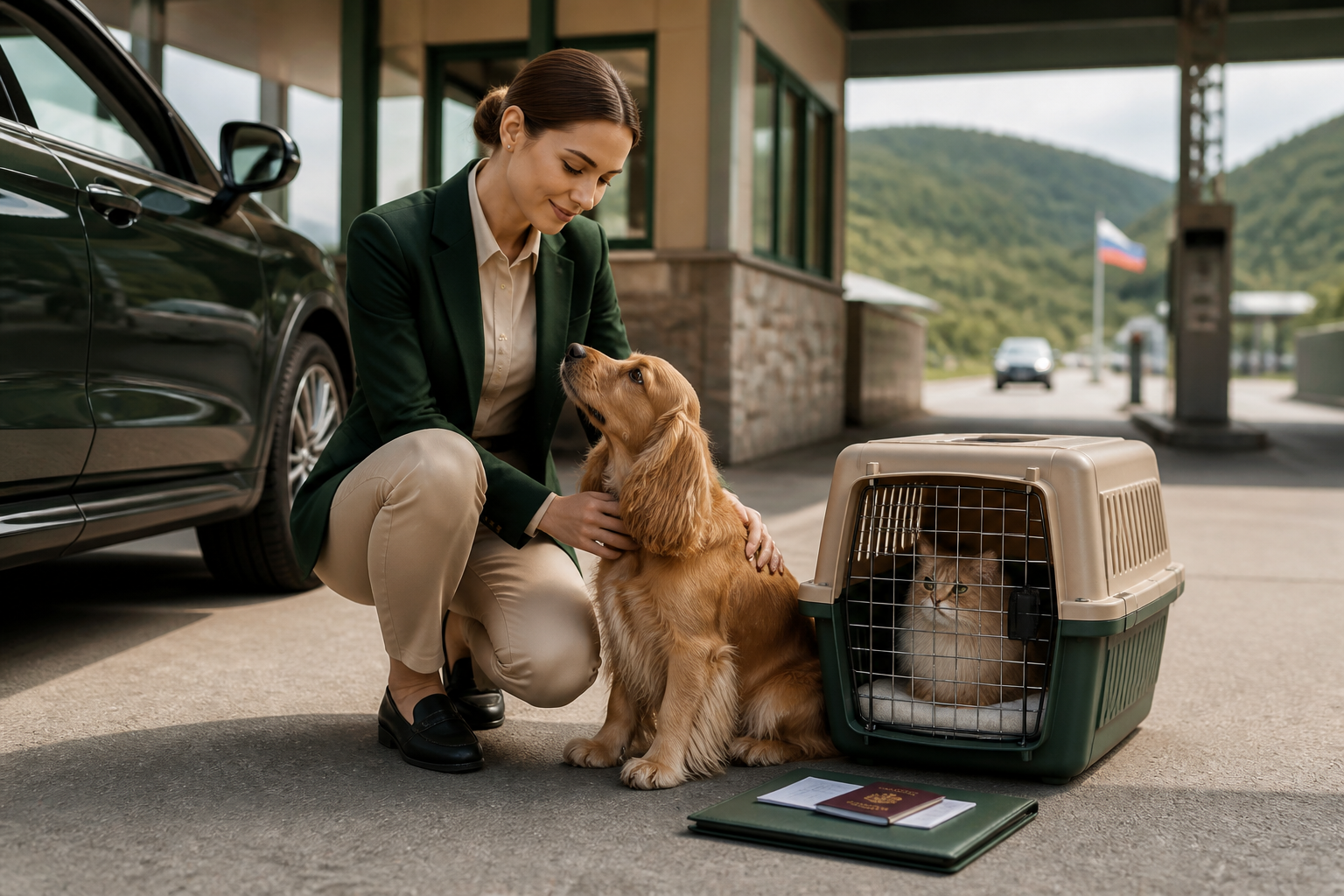
Test before travel day
Let the pet enter voluntarily and practise short settled periods. Place the carrier in its travel position and confirm that luggage cannot block ventilation or strike it during movement.
Questions people ask next
Can two pets share one air container?+
Sometimes, under strict age, weight, compatibility and operator conditions. IATA guidance and national or airline rules must be checked for the exact journey.
Can a carrier be too large?+
Yes. Excessive uncontrolled space can reduce stability. Choose a compliant fit and secure the carrier correctly.
Check the live rule
Sources were reviewed on 2026-08-08. Operator and national requirements may change after publication.
 FIELD FILE / 01Ground vs air pet travel: a welfare-first decision framework
 FIELD FILE / 02How to prepare a dog for a 20-hour road journey
 FIELD FILE / 03Border queues with pets: build a contingency plan before departure