

Every handover should record who transfers the animal, who receives it, the pet’s identity and visible condition, the carrier and documents, the time and the next responsible party. If decision authority is unclear, delays become welfare and compliance risks.

Name the responsible person
Avoid vague labels such as ‘the courier’ or ‘the airport team’. The itinerary should identify the organisation or person responsible at each stage and the contact route for exceptions.
- release authority
- receiver identity
- time and location
- next-stage contact
Record condition and equipment
Use a short visible-condition check at transfer: behaviour, water, carrier integrity, seals or fasteners and document pouch. This is not a veterinary exam; it is an operational baseline.
- microchip or identity reference
- carrier condition
- water and bedding
- document count
- photo record where lawful
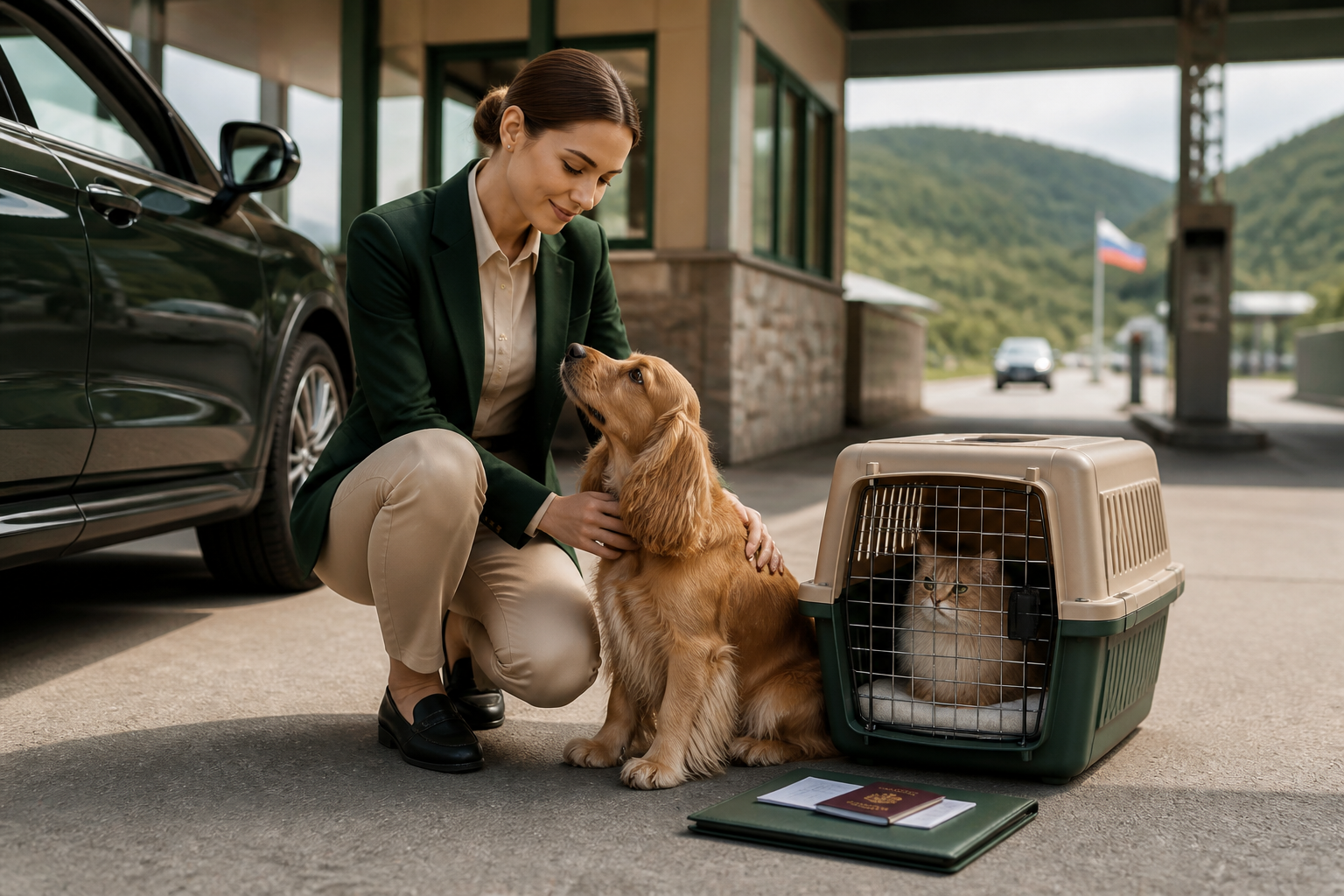
Give one person decision authority
Define who can change the route, approve veterinary care or postpone movement. Contact lists without decision ownership create dangerous delays.
Questions people ask next
Do I need a handover record for a private journey?+
A simple record is useful whenever custody changes, especially with third parties, terminals or long-distance delivery.
Is a photo enough to prove condition?+
No. A photo is only one data point; time, identity, carrier condition and written observations add context.
Check the live rule
Sources were reviewed on 2026-08-08. Operator and national requirements may change after publication.
 FIELD FILE / 01Ground vs air pet travel: a welfare-first decision framework