
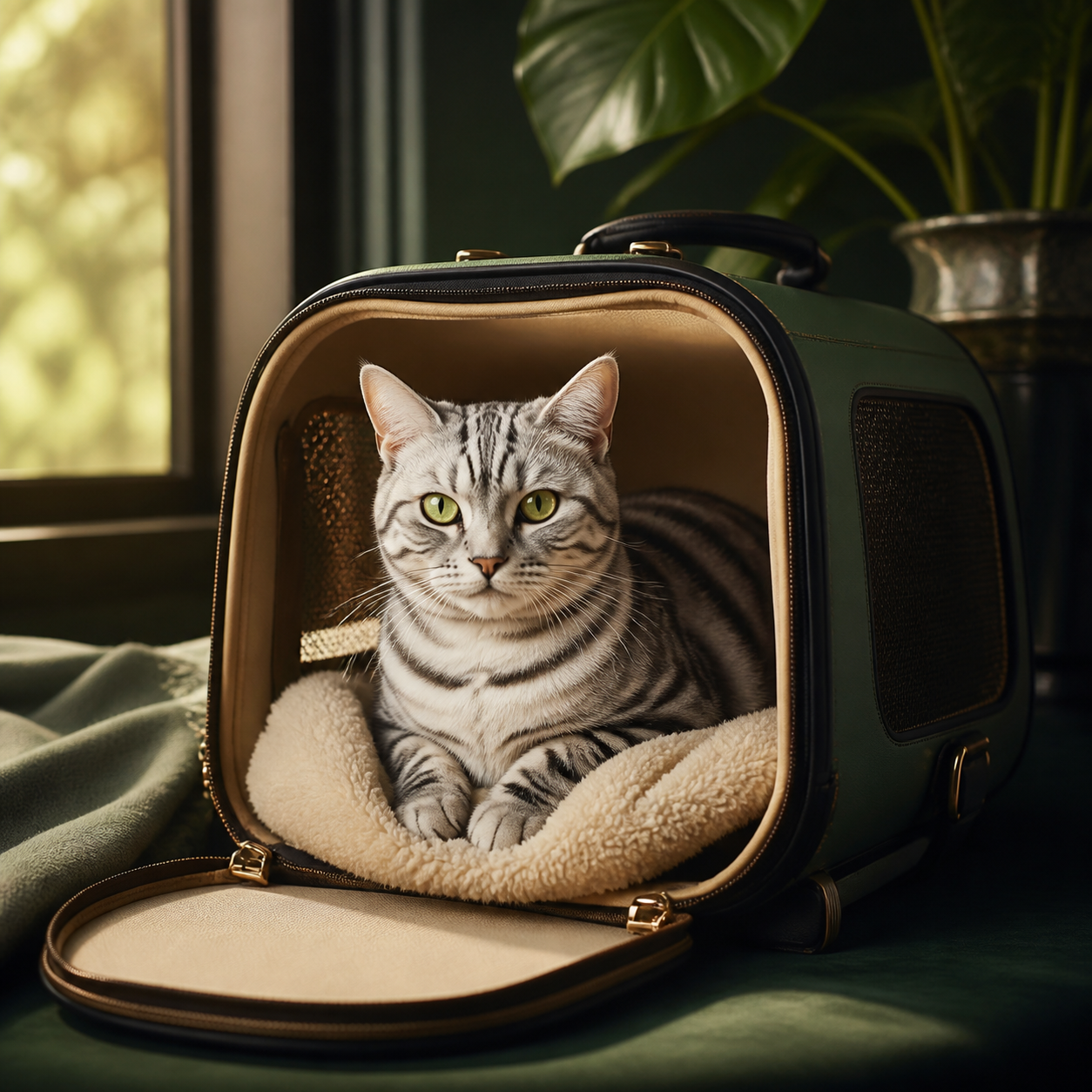
A calmer cat journey begins before the engine starts: make the carrier familiar, secure it against movement, reduce noise and visual stimulation, control every door opening and prepare a contained litter plan. Never release a cat at an outdoor rest stop.
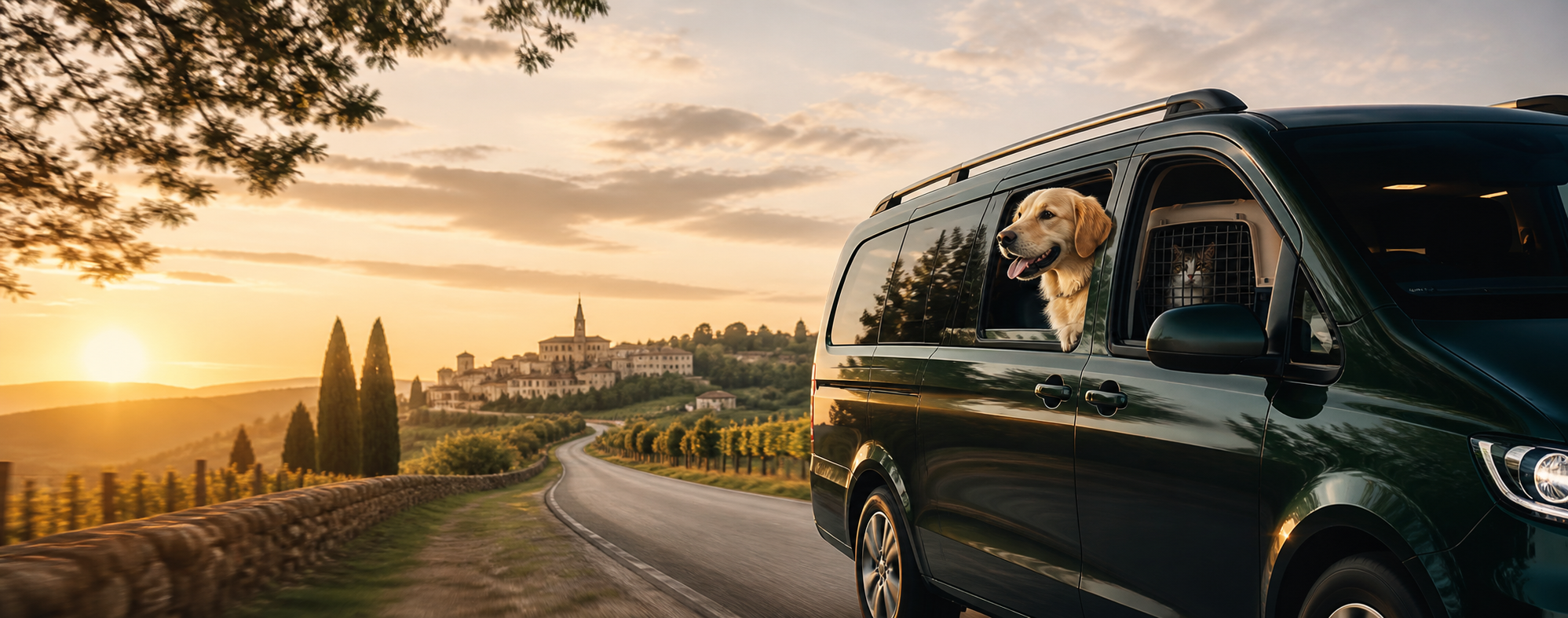
Make the carrier ordinary
Leave the carrier open at home with familiar bedding and rewards. Short stationary sessions and brief drives help reveal stress, nausea or escape attempts before the long route.
- familiar scent
- absorbent layer
- ventilation kept clear
- owner details attached
Create a two-barrier rule
The carrier should only open inside a fully closed room or vehicle. For litter access, close and lock doors and windows first; outdoor handling creates a high escape risk.
- closed vehicle
- carrier door checked twice
- harness only as a secondary control
- no roadside release

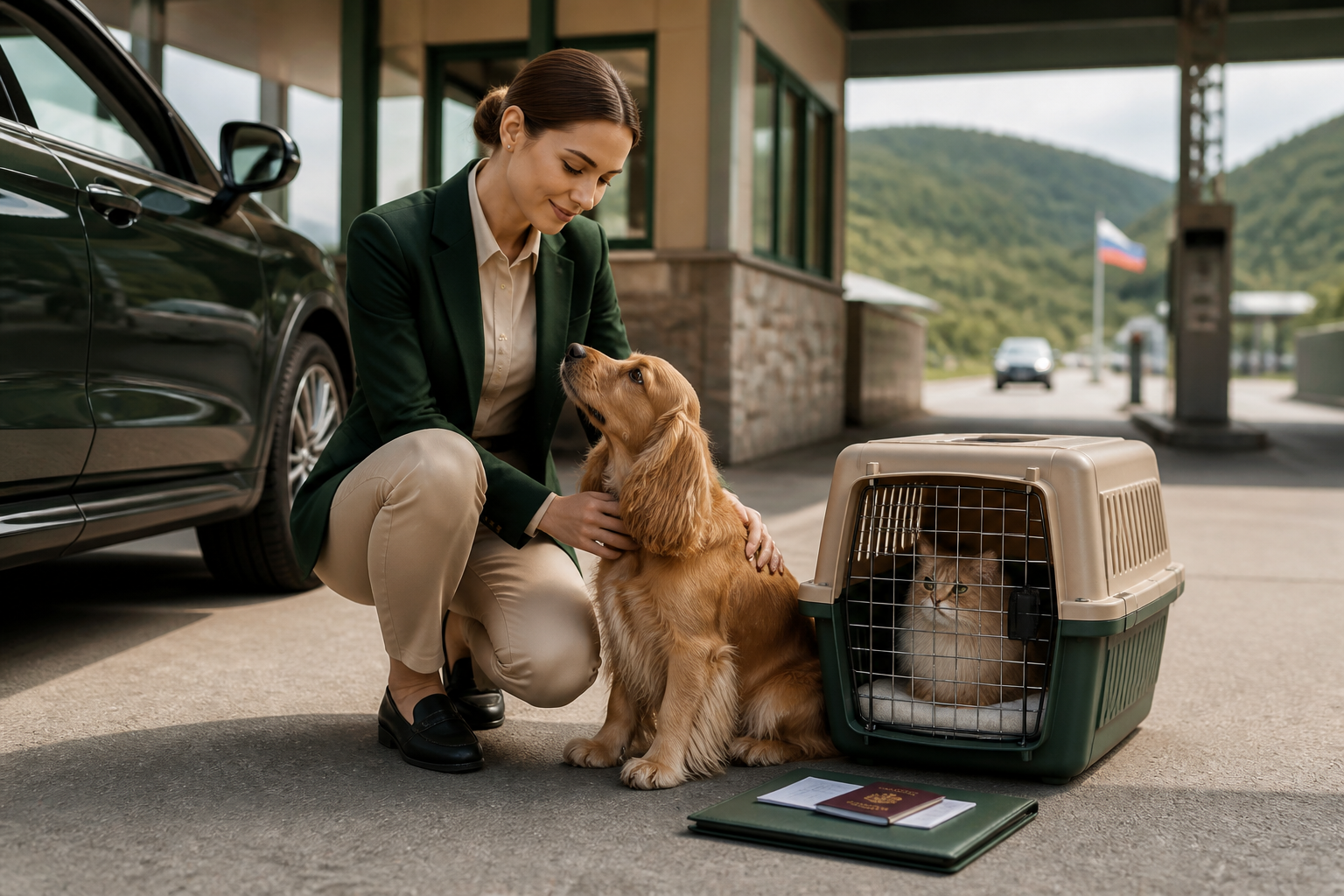
Keep the vehicle predictable
Avoid loud music, direct airflow and unsecured luggage. Monitor breathing and responsiveness without repeatedly opening the carrier. Ask a veterinarian about travel-related nausea or anxiety before departure.
Questions people ask next
Should I cover a cat carrier?+
A partial breathable cover may reduce visual stimulation for some cats, but ventilation must remain fully open and temperature must be monitored.
Can I let my cat roam inside the car?+
No. A loose cat can distract the driver, hide near controls or escape when a door opens.
Check the live rule
Sources were reviewed on 2026-08-08. Operator and national requirements may change after publication.
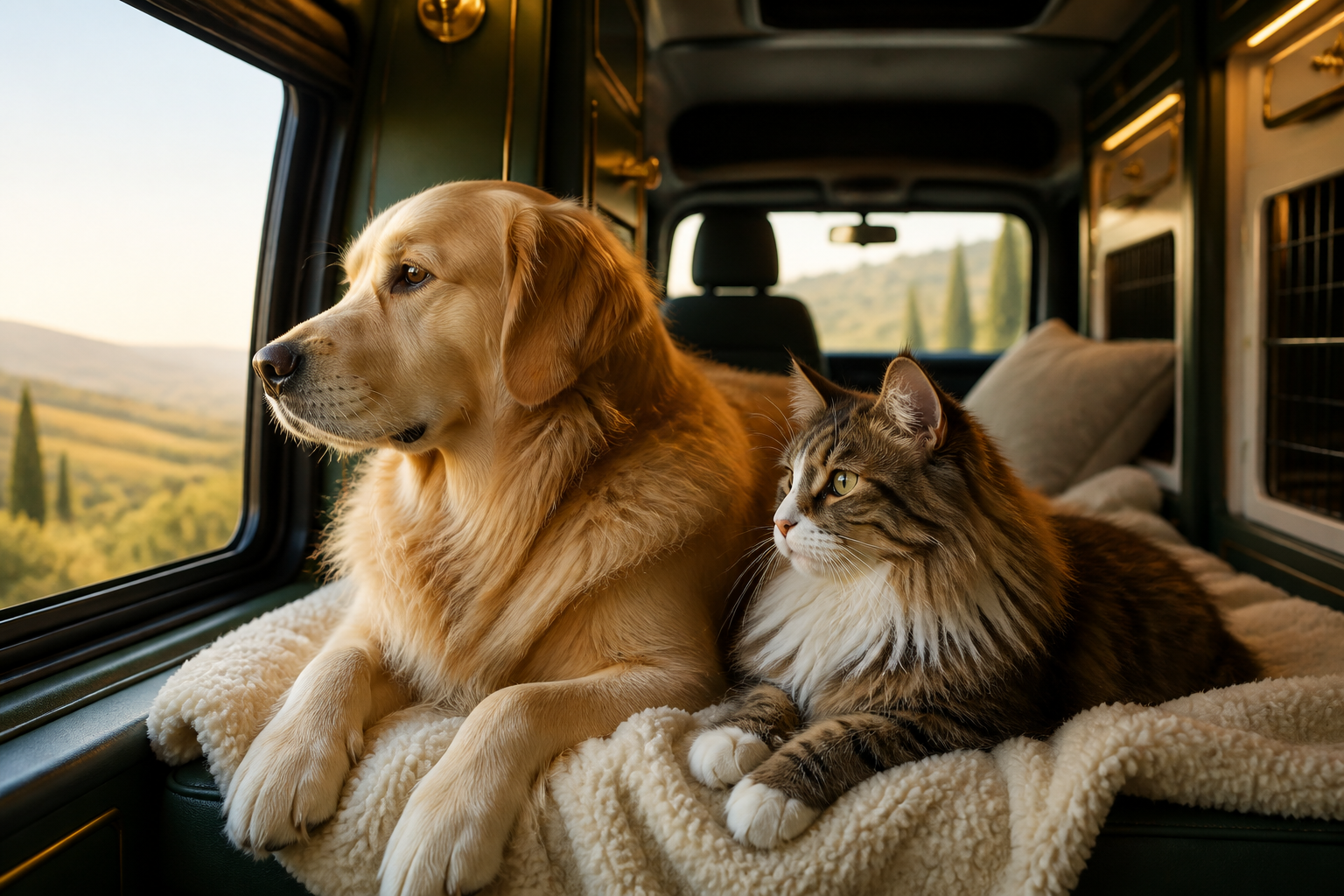 FIELD FILE / 01Ground vs air pet travel: a welfare-first decision framework